I was enrolled in practical courses of qualitative seismic interpretation in February 2024. I gained practical experience in using Petrel features & perform effective seismic interpretation.
Seismic Data Loading
Importing .segy data, converting .segy into .zgy data to generate time slices, and reconnecting missing data.
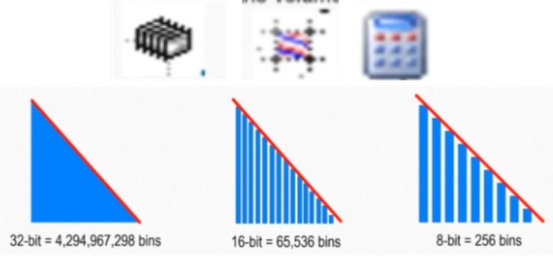
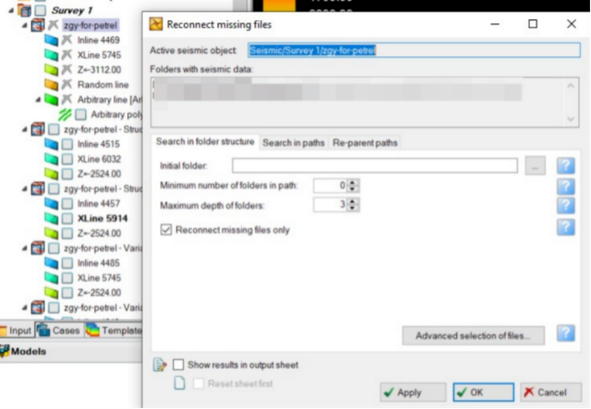 Figure 1. Types of seismic data and bit & petrel troubleshooting features
Data Preparation for Seismic Intepretation
Preparing the seismic data by adjusting the color table, opacity, and utilize the bump mapping features to enchance seismic interpretation process.
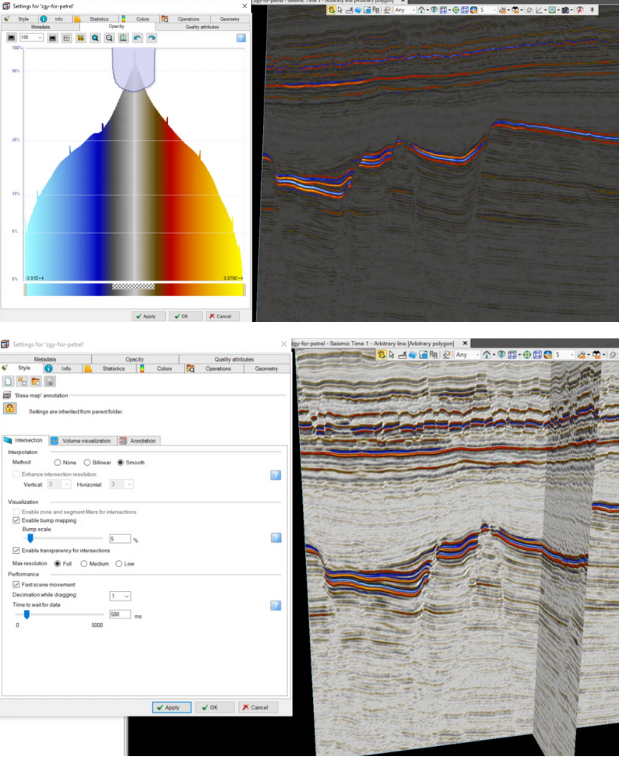 Figure 2. Seismic data preparation for seismic interpretation (opacity & bump maping)
Structural Attribute for Seismic Interpretation
Implementing structural attributes to enhance the visibility of reflector continuity and obtain a clear image of the reflector discontinuity.
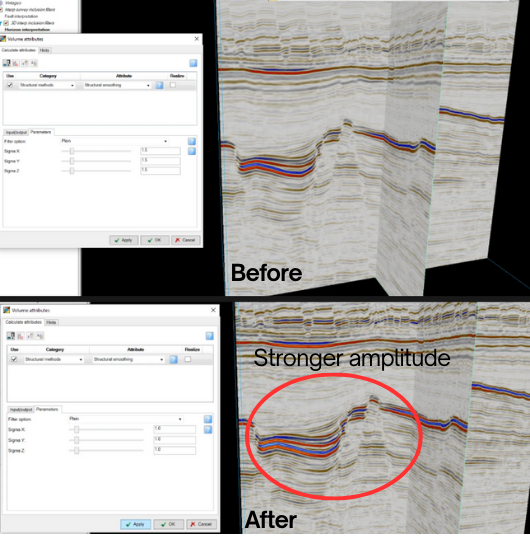 Figure 3. Structural attribute to enchance interpretation process
Calculated Structural Volume for Seismic Interpretation
Calculated structural attribute using the combination of structural smoothing & variance attribute to obtain more quantitative fault interpretation results.
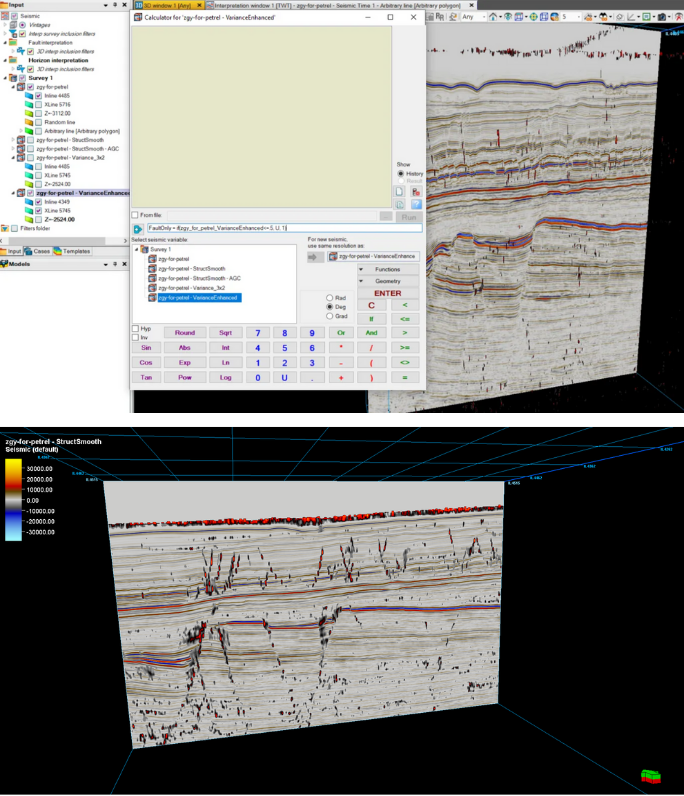 Figure 4. Calculated structural volume to enchance interpretation process
Effective Fault Interpretation Workflow
Performed effective fault interpretation workflow by interpretation fault within the same fault and determined fault groups based on their continuity.
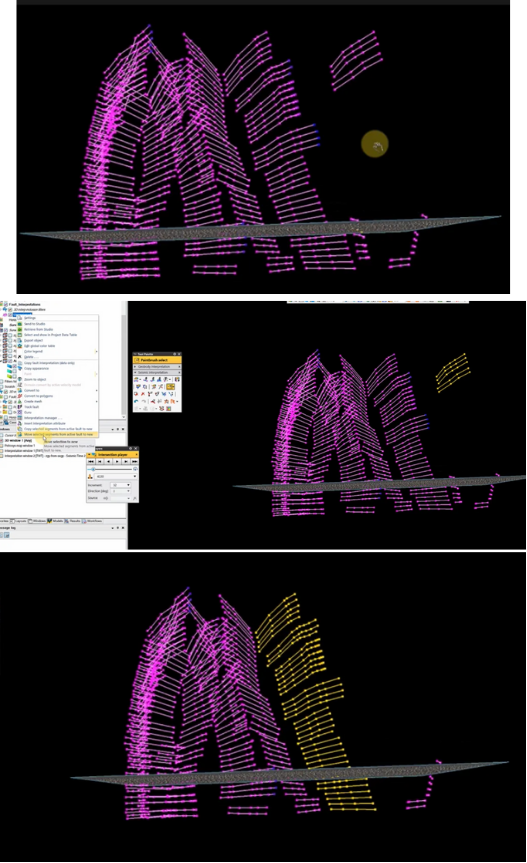 Figure 5. Effective fault interpretation workflow
Horizon Interpretations & Supporting Tools
Utilizing the auto-tracking features, child points, and seed trace to support horizon interpretation process.
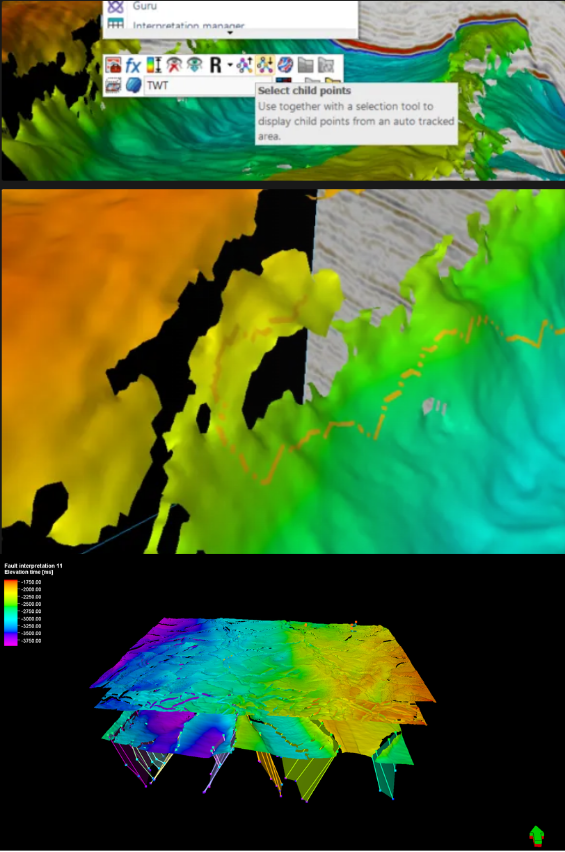 Figure 6. Horizon interpretations & supporting tools